

“It is easier to build strong children than to repair broken men.”
— Frederick Douglass
Architecture should work upstream.
Not to react, but to anticipate.
To create conditions where people can root, belong, and grow.
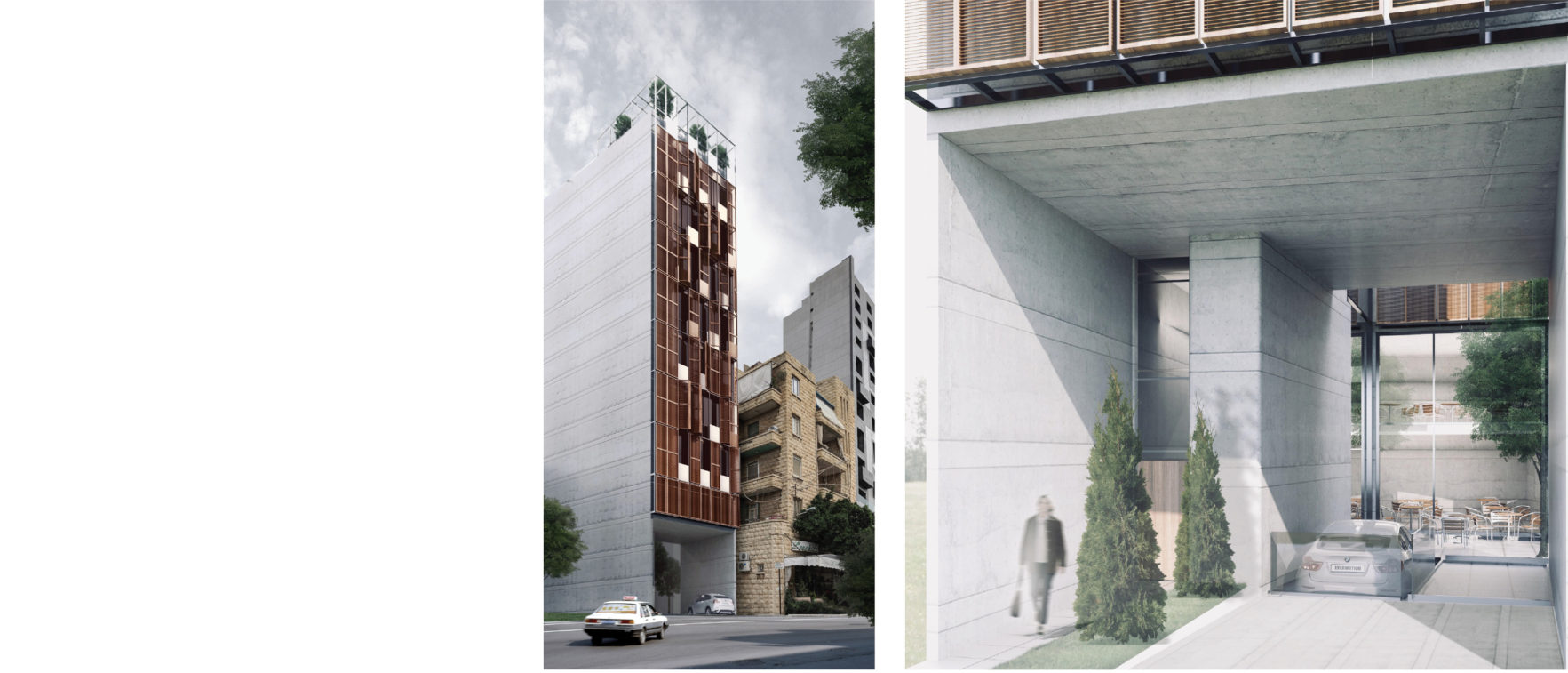
Our Adaptable Housing Case Study builds on this belief.
It aims to thicken the middle class—to let people own within the city,
belong to it, and grow with it.
The model sits at the intersection of design, development, legislation, and technology.
All sit in a circle—with our eye on a healthy city,
a citizen at its heart,
and not in sequence with developers’ ROI at the steering wheel.
Nothing here is for free.
It is not assistance—it is participation.
Ownership becomes the catalyst for belonging,
and belonging turns the city into a shared project.
When people have something to fight for,
they fight with the city, not against it.
In this reciprocity,
architecture becomes a civic act—
turning shelter into identity,
and the city into a place worth belonging to.
PAD10: Design as infrastructure for belonging.
(Click to read our Adaptable Housing to empower the Lebanese Youth to own in their country)